Roofing Contractor in Irving, TX Built for Hail, Heat & Honest Pricing
Irving roofs take a beating. One spring afternoon in Hail Alley can drop 2-inch hail across Valley Ranch and Las Colinas. Then summer heat pushes attic temperatures past 140 °F and cooks the shingles from underneath. Add expansive clay soil that shifts foundations and twists roof framing, and you've got roofs that age much faster than the label says. Irving Roofing Team is a bonded, insured local roofing contractor that repairs, replaces, and installs roofs for homes and businesses built for these conditions. We give you straight answers, use quality materials, and quote honest prices.
We work on the full range of roofs you'll find around here: 1960s brick ranches in Plymouth Park and the Heritage District, cut-up multi-valley roofs in Valley Ranch and Hackberry Creek, tile homes around Lake Carolyn, and flat TPO roofs on commercial buildings along the 114 and 183 corridors. Our crews also serve Coppell, Grapevine, Farmers Branch, and the Park Cities. We know the HOA reviews, the city permit steps, and the insurance paperwork that come with a North Texas roofing project.
- ✓Bonded roofing contractor
- ✓Fully insured crews and projects
- ✓Financing available for repairs and replacements
- ✓Serving a 20-mile radius around Irving
- ✓Residential and commercial roofing
- ✓Asphalt, metal, tile, TPO, and flat roof specialists
- ✓Emergency tarping after storms
Request Your Free Estimate
No obligation. Fast, honest quotes.
Thank you — your request was sent!
A member of the Irving Roofing Team team will reach out shortly. Need help now? Call (972) 656-0243.
Why Irving Roofs Need a Contractor Who Knows North Texas
A roof in Irving faces hail, triple-digit heat, derecho winds, ice storms, and shifting clay soil, sometimes all in the same year. Knowing how those forces hit each type of local home is what separates a roof that lasts from one that leaks by next spring.
Hail Alley Storms, Brutal Heat, and Shifting Clay
DFW is one of the most hail-prone and costliest hail metros in the country. Severe-storm season peaks from March through June, and a smaller peak comes in the fall. Irving, Coppell, Grapevine, and Southlake have seen repeated 1- to 2.5-inch hail days, and the 2012 Dallas hailstorm ranks among the costliest in Texas history. Summer highs average in the mid-90s, many days pass 100 °F, and attic temperatures pass 140 °F. That heat speeds up granule loss and dries out sealant strips. Rainfall runs about 37 to 40 inches a year, often in heavy bursts. Squall lines bring 60 to 80+ mph straight-line winds, and events like Winter Storm Uri in 2021 brought ice damming. On top of that, Blackland Prairie clay swells and shrinks, which racks roof framing and opens flashing joints.
Irving's Housing Stock: Ranches, Tile, and Cut-Up Roofs
Much of Irving went up between the 1960s and 1980s. That means brick ranch and split-level homes with low-to-moderate pitch gable and hip roofs. Older blocks in South and Central Irving often have original plank decking, worn vent stacks, and old roof-over layers that don't show up until tear-off. Las Colinas mixes Mediterranean homes with clay or concrete tile, townhomes, and mid-rise buildings with TPO, modified bitumen, and built-up roofs. Valley Ranch's 1980s–90s tract homes have many gables, valleys, and dormers, and every one of them is a possible leak point. Nearby Coppell, Southlake, and Flower Mound have steep two-story roofs. Highland Park and University Park still have slate, clay tile, and copper from the 1910s–1940s.
Permits, HOAs, and Texas Insurance Rules
The City of Irving requires a building permit and inspection for residential reroofs. Texas has no statewide roofing license, so being bonded, insured, and registered with the city matters more here. Most jurisdictions allow no more than two shingle layers, and many require a full tear-off. Texas Insurance Code Chapter 707 makes it illegal for a contractor to waive or rebate your deductible, so any roofer offering to "cover your deductible" is breaking the law. HOAs in Las Colinas, Valley Ranch, Coppell, and Southlake often have to approve shingle color and profile before work starts. The Park Cities enforce strict rules on work hours, parking, and debris.
A Diverse, Insurance-Savvy Market
Irving has 250,000+ residents. They include corporate professionals in Las Colinas, longtime families in North Irving, landlords managing rentals, and many newcomers who've never been through a Texas hail claim. Many insurers have switched to 1–2% wind/hail deductibles, actual cash value roof coverage, and surcharges on roofs older than 10 to 15 years. That makes good documentation and smart material choices, like UL 2218 Class 4 impact-resistant shingles, a real financial decision and not just a roofing one.
Common Roofing Problems We See Across Irving and DFW
Most roof failures around Irving follow predictable patterns, driven by hail, heat, wind, and the age of local homes. Here's what we find most often, why it happens here, and what the warning signs look like before a small issue turns into a ceiling stain or a denied claim.
Active Roof Leaks After Heavy Storms Emergency
Water getting past the roof system into the attic, ceilings, or walls. It's usually caused by wind-lifted shingles, failed flashing, punctures, or debris impact, and it calls for immediate tarping to stop interior damage and mold growth.
Why it's common hereNorth Texas rain often comes in violent convective bursts that can drop inches in an hour, along with 60–80+ mph straight-line winds from derechos and squall lines. Those conditions peel shingles, overload valleys, and force water sideways under flashing. When a big system rolls through Irving, hundreds of homes can start leaking the same night, and that's exactly when reliable local help is hardest to find.
Signs you'll notice- Water dripping from ceiling fixtures or drywall
- Fresh brown stains spreading on ceilings
- Missing shingles or exposed decking visible from the yard
- Wet attic insulation or a musty smell
- Tree limbs or debris on the roof
- Bubbling paint near exterior walls
Mature-tree neighborhoods like Twin Wells, University Hills, and Plymouth Park see more limb strikes. Open areas near Lake Carolyn and the Las Colinas corridor take more direct wind exposure during squall lines.
Our fix: Emergency tarping to secure the roof, then a damage assessment, documentation, and permanent repair or replacement once conditions are safe.
Heat-Accelerated Shingle Aging Moderate
Premature breakdown of asphalt shingles from extreme heat and UV exposure. It shows up as granule loss, blistering, curling, and dried-out sealant strips, and it can cut years off a shingle's rated lifespan.
Why it's common hereIrving summers bring weeks of mid-90s to 100+ °F days, and record summers in 2011, 2022, and 2023 pushed things further. Attics regularly pass 140 °F, especially in older ranch homes with too little soffit intake ventilation. The asphalt literally bakes from both sides. A shingle rated for 25–30 years can be worn out in 15 to 18 here. That also invites insurer surcharges on older roofs.
Signs you'll notice- Curling or cupping shingle edges
- Blisters or bubbles on the shingle surface
- Bald patches with exposed black asphalt
- Shingles that lift easily in moderate wind
- Very high summer cooling bills
- Brittle shingles that crack when bent
Most common on 1970s–80s homes in Plymouth Park, Irving's older central neighborhoods, Carrollton, and Farmers Branch that are now on their second or third roof. Steep south- and west-facing slopes age fastest.
Our fix: An inspection to measure remaining life, an attic ventilation correction, and a plan to replace with heat-resistant architectural or Class 4 shingles when the time comes.
Failed Flashing, Pipe Boots, and Valleys Moderate
Breakdown of the metal and rubber components that seal roof transitions: chimney flashing, step flashing, valley metal, drip edge, and plumbing vent boots. These are the most common sources of slow leaks on otherwise healthy roofs.
Why it's common hereClay soil movement under Irving homes shifts framing and pulls flashing joints apart. UV and heat crack rubber pipe boots within a few years. Cold fronts that drop temperatures 30–40 °F in hours cause constant expansion and contraction. Complex roofs in Valley Ranch and Hackberry Creek have dozens of valleys and wall intersections, so there are more seams to fail.
Signs you'll notice- Stains around chimneys, skylights, or vent pipes
- Cracked or split rubber around plumbing vents
- Rusted or loose valley metal
- Gaps between flashing and brick or siding
- Leaks that only appear during wind-driven rain
- Daylight visible around attic penetrations
Brick chimneys on Heritage District and Plymouth Park homes, plus multi-gable two-story homes in Valley Ranch, Coppell, and Flower Mound, account for most of the flashing leaks we trace.
Our fix: Leak detection to pinpoint the source, then replacing pipe boots, resetting or re-fabricating flashing, and sealing transitions with materials matched to your roof type.
Rotted or Delaminated Roof Decking Serious
Deterioration of the plywood, OSB, or plank sheathing under the shingles from long-term moisture, poor ventilation, or heat. Weak decking can't hold nails properly and sags, and it has to be replaced during a reroof.
Why it's common hereOlder South and Central Irving homes from the 1950s–60s often still have original plank decking and sometimes two roof layers trapping moisture. Poor soffit intake plus 140 °F attics cause delamination. Slow leaks that went unnoticed for years add rot. Most of this stays hidden until tear-off, which is why honest quotes include per-sheet decking pricing up front.
Signs you'll notice- Visible sagging or dips in the roofline
- Spongy feel underfoot
- Dark staining on attic sheathing
- Rusted nail tips poking through the decking
- Mold or mildew in the attic
- Shingles that won't lie flat
Most common in South Irving, Plymouth Park, older Grand Prairie and Euless neighborhoods, and any home with a past roof-over layer.
Our fix: A full tear-off, decking replacement where needed (priced per sheet), and ventilation upgrades so the new roof deck stays dry.
Cracked Tile and Failing Tile Underlayment Serious
Broken clay or concrete tiles from hail or foot traffic, and, more often, underlayment that wears out under tile that still looks fine. Tile can outlast its underlayment by decades, and water gets through once that layer fails.
Why it's common hereMediterranean and Tuscan homes in Las Colinas and Spanish Eclectic homes in the Park Cities rely on tile that handles heat well but cracks under large hail. Many original felt underlayments are now 25+ years old and baked brittle. Untrained crews make it worse by walking on tile and breaking more pieces than they fix.
Signs you'll notice- Cracked, slipped, or missing tiles
- Leaks under tiles that look intact
- Broken tile pieces in gutters or flower beds
- Stains on ceilings below tile valleys
- Mortar breaking up at ridges and hips
Concentrated around Lake Carolyn, Cottonwood Valley, and custom-home areas of Las Colinas, as well as Highland Park and University Park.
Our fix: Careful tile removal and storage, new high-temperature underlayment, and resetting the original tile, with matched replacements for broken pieces.
Ponding and Membrane Failure on Flat Roofs Minor
Standing water, seam separation, blistering, or punctures on TPO, EPDM, modified bitumen, and built-up commercial roofs. Water that stays more than 48 hours after rain speeds up membrane breakdown and adds structural load.
Why it's common hereLas Colinas office buildings and the retail and multifamily properties along the 114 and 183 corridors use low-slope roofs that take full UV and heat all year. Thermal cycling stresses seams. Hail punctures membranes, and building settling from clay soil creates low spots where water ponds after heavy rain.
Signs you'll notice- Water standing 48+ hours after rain
- Open or lifting seams
- Blisters, wrinkles, or chalky membrane surface
- Interior ceiling tile stains
- Clogged drains or scuppers
- Rising energy costs
Common on 1980s–2000s mid-rise and commercial buildings in Las Colinas, older strip centers along Irving Boulevard, and apartment complexes throughout Irving and Grand Prairie.
Our fix: Seam and puncture repair, drainage correction, reflective coating to extend life, or full TPO/EPDM replacement scheduled to keep tenant disruption low.
Roofing Services for Irving Homes and Businesses
From a single cracked pipe boot to a full commercial reroof, we handle every major roof system found in Irving and the surrounding Metroplex. Each service starts with an honest assessment of what your roof actually needs, not what earns the biggest invoice.
Roof Repair, Roof Patching & Roof Damage Repair
We fix missing or damaged shingles, punctures, storm damage, and worn components so your roof keeps working without a full replacement. That includes roof shingle repair, patching, and repairing damage from hail, wind, and fallen limbs.
Our approachWe match existing materials as closely as possible, replace damaged courses instead of smearing sealant over them, and re-seal surrounding shingles so the repair holds up in the next storm.
In Irving, TXIn Irving, the most common repairs are wind-lifted shingles after spring squall lines and hail-fractured shingles in Valley Ranch and Bear Creek. On older Plymouth Park ranches, we also check decking around each repair because plank sheathing often hides soft spots.
Best for: Roofs with a lot of life left that have localized damage, or homeowners stabilizing a roof while planning a replacement.
Roof Replacement & Roof Installation ⭐ Specialty
We do full tear-off and replacement of worn or storm-damaged roofs, plus new roof installations on additions and new builds. Every job includes permits, decking inspection, underlayment, flashing, ventilation, and final cleanup.
Our approachWe tear off to the deck, replace damaged sheathing, install synthetic underlayment and ice-and-water shield at valleys, put in new drip edge and flashing, and balance intake and exhaust ventilation. We handle Irving permits and inspections.
In Irving, TXMany Irving homes from the 1960s–80s are on their second or third roof and may have hidden roof-over layers. We remove everything down to the deck and fix the ventilation problems that shortened the last roof's life in North Texas heat.
Best for: Roofs older than 15 years, roofs with widespread hail damage, roofs with multiple layers, or homes facing insurer surcharges.
Asphalt Shingle Installation: Architectural, 3-Tab & Class 4 Shingles
We install the full range of asphalt shingles: budget 3-tab, dimensional architectural shingles, and UL 2218 Class 4 impact-resistant lines that many Texas insurers reward with premium discounts.
Our approachWe install to manufacturer specifications with correct nailing patterns, starter strips at eaves and rakes, and matching hip and ridge caps. We avoid installing in the hottest midday hours, when soft shingles scuff easily.
In Irving, TXClass 4 shingles are the most-requested upgrade in Irving, Coppell, and Grapevine because of repeated hail. HOAs in Las Colinas and Valley Ranch usually require architectural profiles, and we help prepare color samples for architectural review submissions.
Best for: Most single-family homes, rental properties, and HOA communities wanting a dependable roof at a sensible price.
Metal Roofing: Standing Seam, Steel, Corrugated & Residential Metal ⭐ Specialty
We install and repair metal roofs, including standing seam metal roofs, steel roofing, corrugated metal panels, and residential metal roofing systems. We also do metal roof repair and specialized flashing for metal and steel roofs.
Our approachConcealed-fastener standing seam panels allow for thermal movement, corrugated and exposed-fastener systems get proper washers and fastener spacing, and custom-bent flashing and trim are made to fit each roof.
In Irving, TXMetal handles Irving's heat cycles, reflects UV to cut cooling loads, and holds up well against wind. Standing seam accents are popular on newer Southlake and Flower Mound homes, and corrugated metal suits workshops, barns, and commercial buildings.
Best for: Owners planning to stay long-term, energy-conscious homeowners, modern home designs, and outbuildings or light commercial structures.
Tile, Slate, Cedar Shake & Copper Roofing
We install and repair premium roofing: clay and concrete tile, natural slate, cedar shake, and copper roofing and accents for custom, Mediterranean, and historic homes.
Our approachOur crews handle tile carefully, lifting and resetting it during underlayment replacement, use stainless or copper fasteners on slate, and do traditional detail work on copper valleys, bay roofs, and flashing.
In Irving, TXLas Colinas tile homes near Lake Carolyn and the 1920s–40s homes in Highland Park and University Park need crews who know these materials. We also work within Park Cities' strict building department rules.
Best for: Luxury, historic, and Mediterranean-style homes where appearance, longevity, and architectural accuracy matter most.
Commercial & Flat Roofing: TPO, EPDM, Repair & Replacement
We handle commercial roofing and flat roof repair and replacement, including TPO single-ply, EPDM rubber roofing, and low-slope systems for offices, retail, multifamily, and industrial properties.
Our approachWe core-sample to check existing layers and insulation, heat-weld TPO seams, fully adhere or mechanically fasten EPDM, add tapered insulation to fix ponding, and schedule work around tenants and business hours.
In Irving, TXLas Colinas mid-rises and buildings along the 114/183 corridors need roof work that doesn't disrupt operations. Reflective white TPO cuts cooling loads during Irving's 100 °F summers.
Best for: Property managers, building owners, HOAs, and landlords with low-slope or flat roofs.
Roof Inspection, Leak Detection & Skylight Leak Repair
We do detailed roof inspections after storms, for real estate transactions, or for insurance purposes, along with roof leak detection and repair and skylight leak repair.
Our approachWe do hands-on rooftop and attic inspections, take photos of each slope, check test squares for hail, run water tests to trace leaks, and check skylight curbs, flashing, and seals.
In Irving, TXBruised shingles from DFW hail usually can't be seen from the ground. A documented inspection soon after a storm protects your options before insurance deadlines pass, which is especially important for newcomers to Texas.
Best for: Post-storm checks, home buyers and sellers, mystery leaks, and owners of aging roofs worried about insurance renewals.
Emergency Roof Repair & Emergency Roof Tarping
We respond fast to storm damage, fallen trees, and active leaks with emergency roof repair and secure tarping to protect your home or business until permanent repairs are made.
Our approachWe use heavy-duty tarps fastened over battens and extended past the ridge so wind can't peel them back. We document the damage with photos for your insurer and remove debris safely.
In Irving, TXTarping demand surges across Irving, Coppell, and Grapevine after major hailstorms and derechos. Fast local response prevents ceiling collapse, mold, and the secondary damage that insurers may refuse to cover.
Best for: Active leaks, storm-torn roofs, tree strikes, and any situation where waiting means more water inside.
Roof Restoration, Maintenance, Coatings & Waterproofing
We offer roof restoration, scheduled roof maintenance, roof coating application, and roof waterproofing to extend the life of roofs that are aging but still structurally sound.
Our approachOur work includes cleaning, seam reinforcement, minor repairs, elastomeric or silicone coatings on low-slope roofs, and seasonal maintenance visits that catch problems before storm season.
In Irving, TXA reflective coating can add years to a Las Colinas commercial membrane and lower summer cooling costs. Spring and fall maintenance timed around Irving's storm peaks catches loose flashing before it fails.
Best for: Commercial owners delaying capital replacement, landlords managing several properties, and homeowners protecting a newer roof.
Roof Flashing: Chimney, Drip Edge, Metal & Steel Roof Flashing
We install and repair roof flashing, chimney flashing, roof drip edge flashing, flashing for metal roofs, and steel roof flashing, which seal the transitions where most leaks start.
Our approachWe do step and counter-flashing cut into masonry joints, custom-bent valley and wall metal, continuous drip edge at eaves and rakes, and matching profiles for metal and steel roof systems.
In Irving, TXFoundation movement from Irving's clay soil pulls flashing away from brick chimneys and walls. Re-flashing is one of the most effective leak fixes on Heritage District and older Irving homes.
Best for: Recurring leaks around chimneys and walls, missing drip edge, and metal roofs needing correct trim details.
Soffit & Fascia Installation and Roof Ventilation
We install soffit and fascia and roof ventilation systems, including ridge vents, intake vents, and attic exhaust, to protect the roof edge and control attic heat.
Our approachWe calculate net free ventilation area, add intake at soffits where there isn't enough, replace rotted fascia boards, and seal openings against pests and wind-driven rain.
In Irving, TXToo little soffit intake is one of the most common problems on 1960s–80s Irving ranches. It's a major reason shingles fail early when attics pass 140 °F. Fixing airflow protects your new roof and lowers cooling bills.
Best for: Homes with hot attics, rotted roof edges, peeling fascia, or a roof replacement that needs ventilation corrected.
Our Roofing Process, From First Call to Final Cleanup
A good roofing project shouldn't feel chaotic. Here's how we take Irving homeowners and property managers from a first look at the roof to a finished, inspected job, with clear communication at every step.
Inspection & Damage Assessment
- Hands-on rooftop and attic inspection
- Photos of every slope, penetration, and problem area
- Hail test squares and checks of soft metals
- Ventilation and decking condition review
Local note: After a major DFW hailstorm, getting a documented inspection early helps you stay within your insurer's claim timeline.
Honest Recommendation & Written Estimate
- Repair vs. replacement options explained plainly
- Itemized written estimate with material choices
- Per-sheet decking pricing disclosed up front
- Financing options reviewed if you need them
Local note: We never offer to waive or rebate deductibles. It's illegal under Texas Insurance Code Chapter 707, and we'll tell you so.
Insurance, Permits & HOA Approval
- Photo documentation provided for your claim
- Meeting with your adjuster on request
- City of Irving (or local) permit pulled
- HOA architectural review packet with color and profile samples
Local note: HOAs in Las Colinas, Valley Ranch, Coppell, and Southlake can add time, and Park Cities permits follow stricter rules.
Installation Day(s)
- Landscaping, AC units, and driveways protected
- Full tear-off and decking repair
- Underlayment, flashing, ventilation, and roofing installed
- Daily cleanup with magnetic nail sweeps
Local note: In summer, we start early to avoid scuffing soft shingles and to keep crews safe in 100 °F heat.
Final Inspection & Walkthrough
- Quality check of every detail and penetration
- City permit inspection completed
- Before-and-after photos delivered
- Warranty paperwork and care guidance provided
Local note: Keep your documentation. Insurers increasingly ask for roof age and material details at renewal.
Why Irving Property Owners Choose Irving Roofing Team
We Live With the Same Storms You Do
We're a local Irving roofing contractor, not an out-of-state crew that follows the hail map. We know how a spring squall line hits Valley Ranch compared to how it hits Old Town Coppell. We know which Las Colinas HOAs want architectural review packets, and why South Irving ranches so often hide rotted plank decking. That local knowledge shapes everything from material recommendations to ventilation design. When you call about a leak a year from now, you'll reach the same local team that did the work, not a disconnected phone number.
Bonded and Insured, Because Texas Doesn't License Roofers
Texas has no statewide roofing license, so almost anyone can call themselves a roofer after a hailstorm. That's why our bonding and insurance matter. If something goes wrong on your property, you're protected, and you won't be left holding the bill for an injury or damage. Ask any contractor to show proof of coverage before they set a ladder against your home. We'll gladly show you ours.
The Antidote to Storm Chasers
After every big DFW hailstorm, door-knockers flood Irving, Coppell, and Grapevine. They rush installs and disappear before warranty problems surface. We work differently. We give you written contracts, follow Texas post-storm contractor rules, and never offer to waive your deductible, which is illegal under Chapter 707. We'd rather earn your trust than pressure you into signing the day after a storm.
Every Roof Type Under One Roof
Most roofers stick to asphalt shingles. We also handle standing seam and corrugated metal, clay and concrete tile, slate, cedar shake, copper, TPO, EPDM, and coatings. That matters in a market where a Las Colinas tile home, a Valley Ranch architectural-shingle roof, and a 114-corridor office building with a TPO membrane can all sit within a few miles. You get the right material and technique for the building, not whatever one crew happens to know.
Honest, Itemized Pricing
Our estimates spell out materials, labor, permits, disposal, and per-sheet decking costs up front, so a tear-off surprise in a 1960s Irving ranch doesn't turn into a budget crisis. If a repair will do the job, we'll say so. If your roof is near the end of its life, we'll explain why using photos, not pressure. Honest pricing is part of how we've built our business.
Insurance Claim Support That Protects You
With percentage deductibles, ACV coverage, and cosmetic exclusions now common in Texas policies, documentation can make or break a claim. We provide detailed photos and damage reports and can meet your adjuster on site. We stay within the law and don't act as your public adjuster. Many Irving homeowners new to Texas find this guidance invaluable during their first hail season.
Fast Emergency Tarping and Flexible Financing
When a storm tears open your roof, we respond with emergency tarping to stop water damage right away. When it's time to pay for repairs or a full replacement, financing is available, so a surprise roof bill doesn't force you to put off urgent work. Both are designed for real North Texas weather and real household budgets.
A Roofing Contractor Irving Can Trust
Irving homeowners and property managers choose us after storm-chaser experiences because we give straight answers, use quality materials, quote honest prices, and stay local long after the job is done.
Bonded • Insured • Financing available
Roofing Service Areas Around Irving and the DFW Metroplex
Irving Roofing Team serves homes and businesses within a 20-mile radius of Irving. Each community has its own roofing profile, from historic slate in the Park Cities to Class 4 shingles on Mid-Cities family homes.
Irving & Las Colinas
North & Northwest Suburbs
Dallas, Park Cities & North Dallas
Mid-Cities & Southwest
We serve properties within roughly 20 miles of Irving. If you're near the edge of that radius, call and we'll confirm coverage. Not sure if we cover your area? Call (972) 656-0243.
How Much Does a Roof Cost in Irving, TX?
Roofing costs in Irving depend on roof size, pitch, material, and what's hiding under the old shingles. Here are the main price drivers and realistic ranges for common DFW projects, so you can budget with confidence before you call.
Roofing Material Primary Factor
Material choice causes the biggest price swing. Standard architectural shingles are the most affordable full-replacement option. Class 4 impact-resistant shingles usually add 10–25%, but they may qualify for insurance premium discounts in hail-prone Irving. Standing seam metal often costs two to three times as much as shingles. Clay tile, slate, and copper sit at the top of the range. TPO and EPDM are priced per square foot for commercial roofs, and insulation upgrades raise the total.
Roof Size, Pitch & Complexity Primary Factor
Roofs are priced by the "square" (100 sq ft). A simple low-pitch hip roof on an Irving ranch goes fast. A steep two-story roof in Coppell or Valley Ranch with multiple valleys, dormers, and wall intersections takes extra safety equipment, more flashing, more waste, and more labor hours. Complexity alone can add 20–40% to a project compared with a simple roof of the same size.
Tear-Off Layers & Decking Condition Secondary Factor
Removing two layers costs more than removing one, and Irving homes from the 1950s–70s often have a hidden roof-over layer. Rotted or delaminated decking is replaced per sheet, typically $70–$120 per sheet of plywood or OSB installed. Old plank sheathing may need to be overlaid entirely. We list these unit prices in your estimate up front, so surprises during tear-off don't turn into surprise bills.
Ventilation, Flashing & Code Upgrades Secondary Factor
Adding soffit intake, ridge vents, new drip edge, ice-and-water shield in valleys, and re-flashed chimneys improves performance and may be required by current code. These items typically add a few hundred to a couple thousand dollars. They're also what keep a new roof from failing early in Irving's 140 °F attics, so cutting them to save money rarely pays off.
Permits, HOA & Access Minor Factor
City of Irving permit fees, HOA documentation, and restrictions in places like Highland Park and University Park (limited work hours, parking, and debris rules) add modest cost and time. Tight lots, steep driveways, or delicate landscaping can also raise labor costs. These are usually small line items, but they're part of an honest total.
| Typical project | Details | Estimated range |
|---|---|---|
| Targeted roof repair after a spring storm | Replace wind-lifted shingles, a cracked pipe boot, and a section of flashing on a single-story Irving home | $350 – $1,500 |
| Architectural shingle replacement on a 1970s Irving ranch | About 2,000 sq ft of roof, single layer tear-off, some decking replacement, ventilation upgrade | $9,500 – $16,000 |
| Class 4 shingle reroof on a Valley Ranch or Coppell two-story | About 3,500 sq ft, steep, multi-valley roof with HOA-approved designer color | $20,000 – $34,000 |
| TPO replacement on a Las Colinas commercial building | About 15,000 sq ft low-slope roof with tapered insulation for drainage | $110,000 – $195,000 |
Financing is available, so you can handle urgent repairs or a full replacement now and spread the cost over manageable payments. Ask about options when you schedule your inspection. A properly installed roof protects your home, can lower cooling bills, and may cut insurance premiums with Class 4 shingles. It also helps avoid the surcharges or non-renewals that Texas insurers increasingly apply to roofs older than 10–15 years.
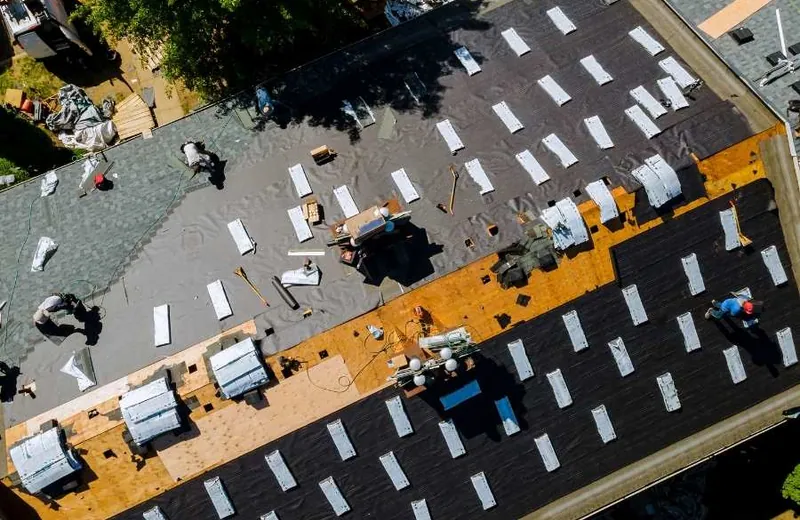
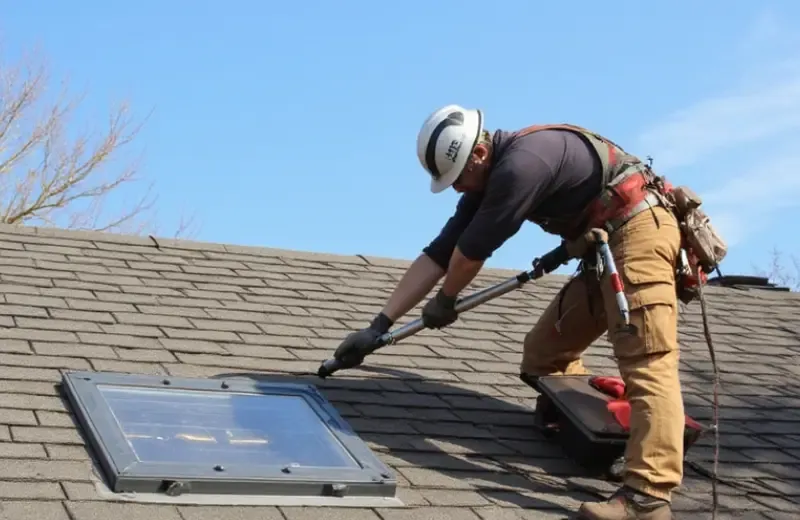
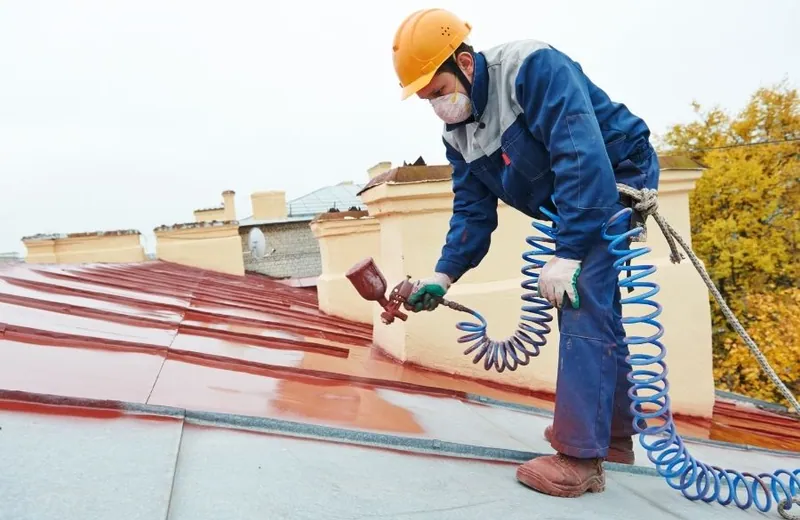
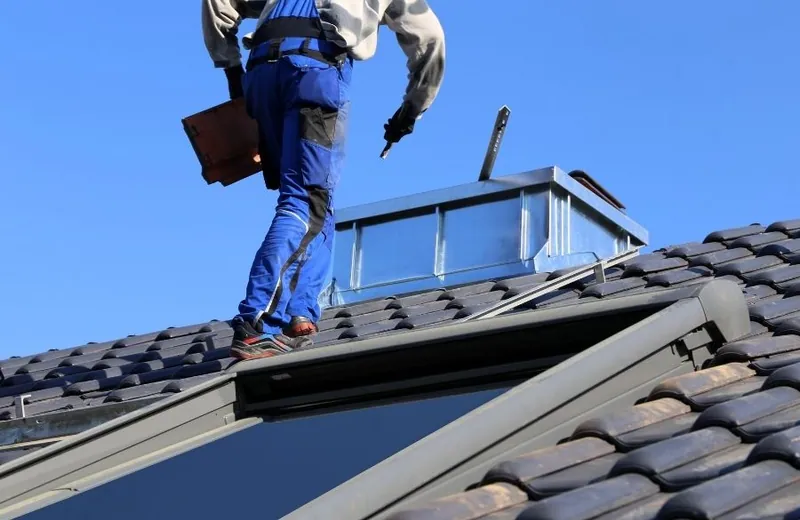
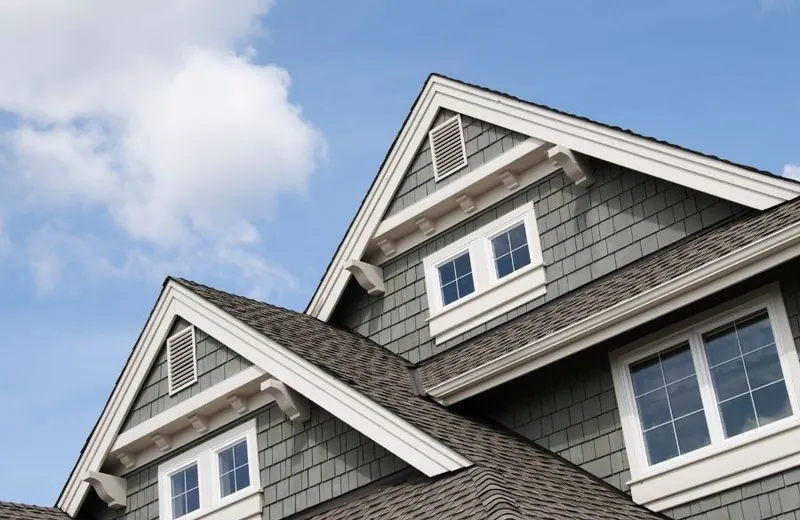
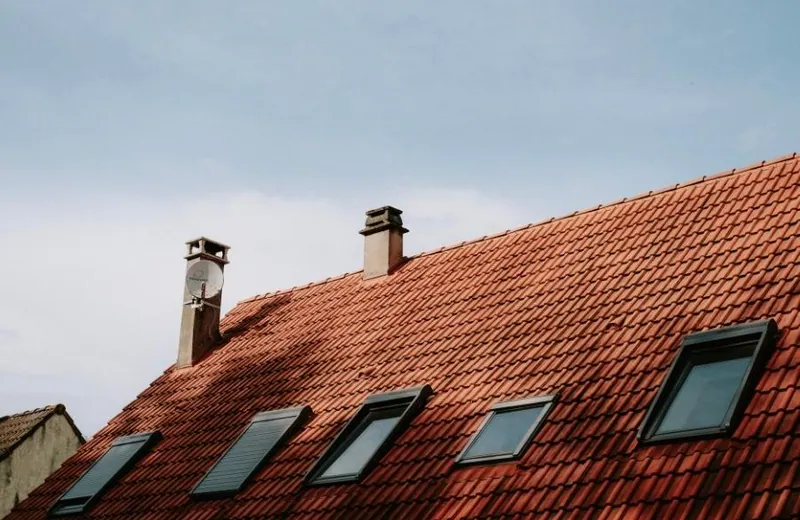
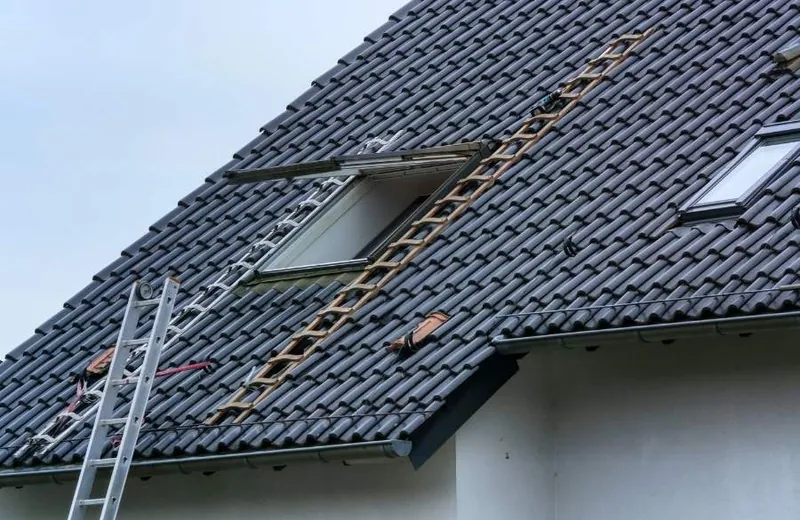
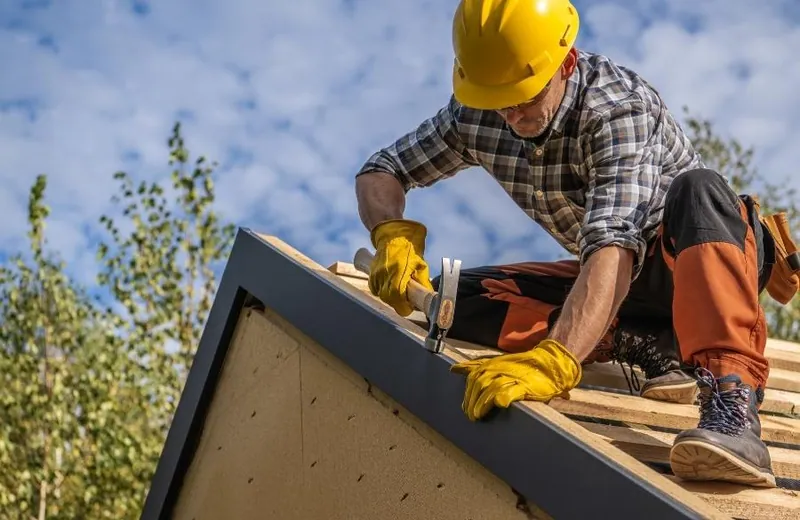
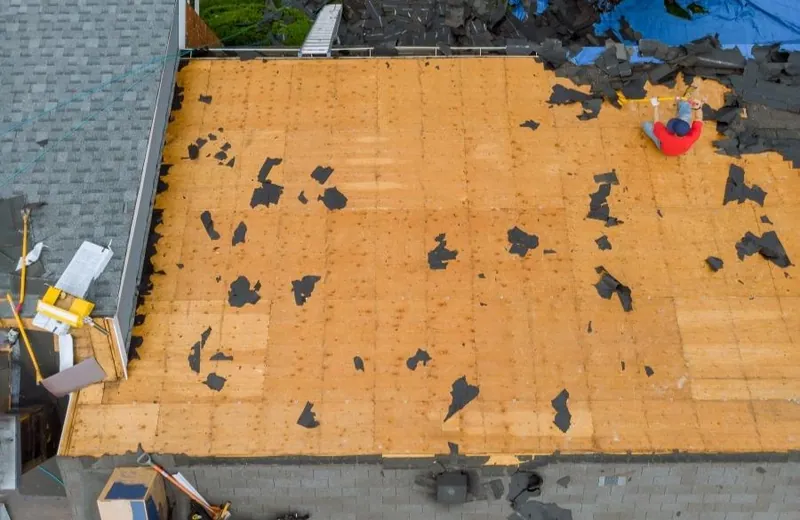
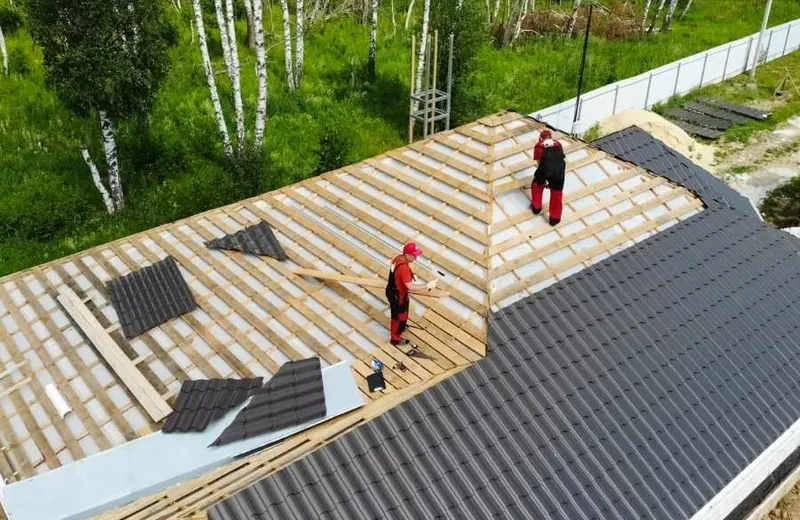
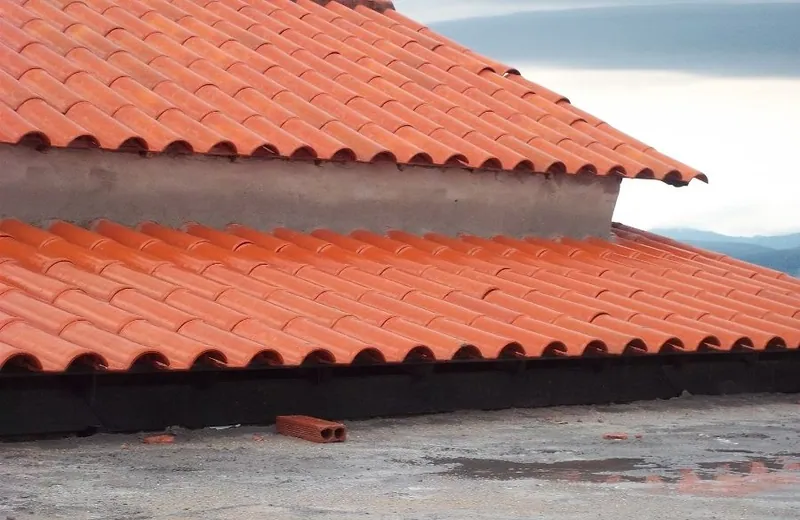
Recent roofing Projects in Irving, TX
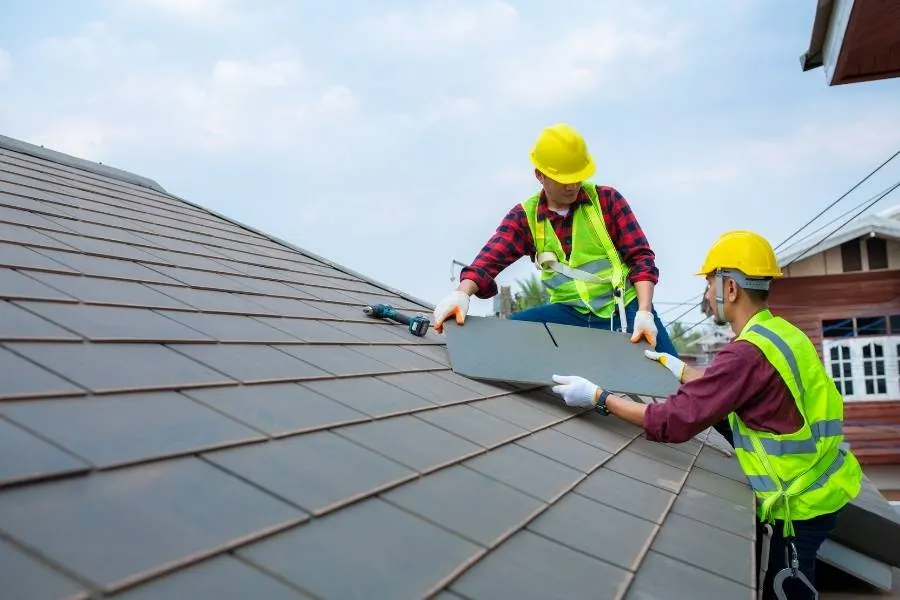
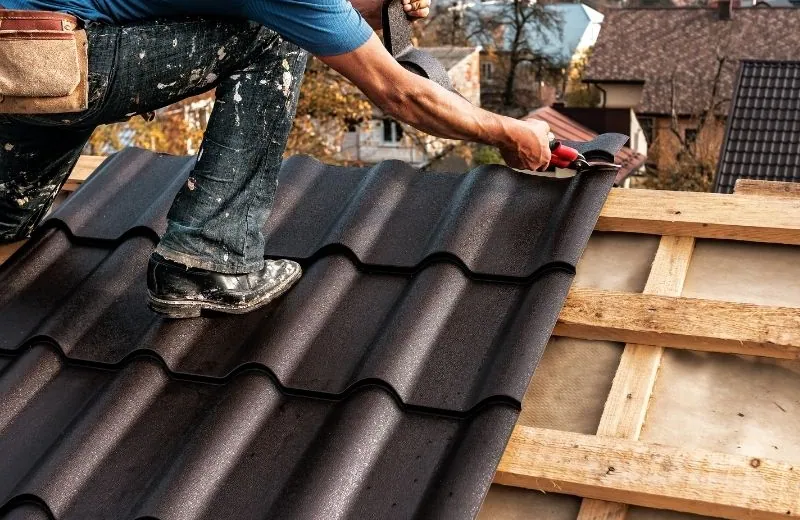
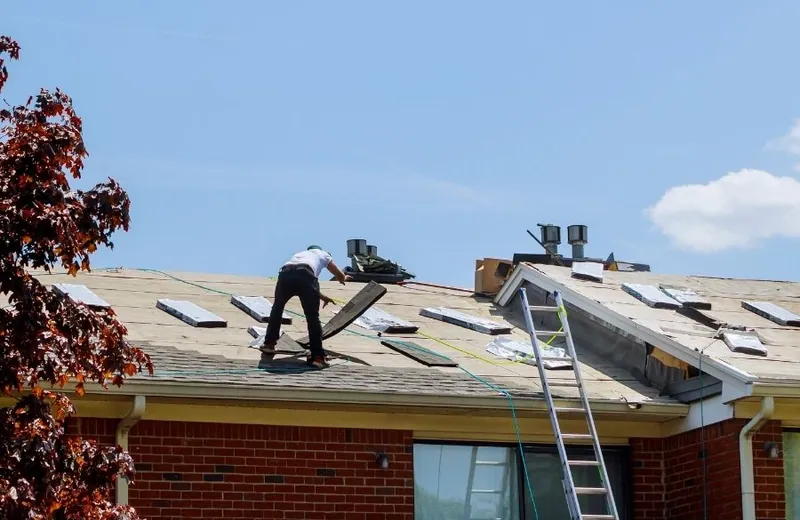
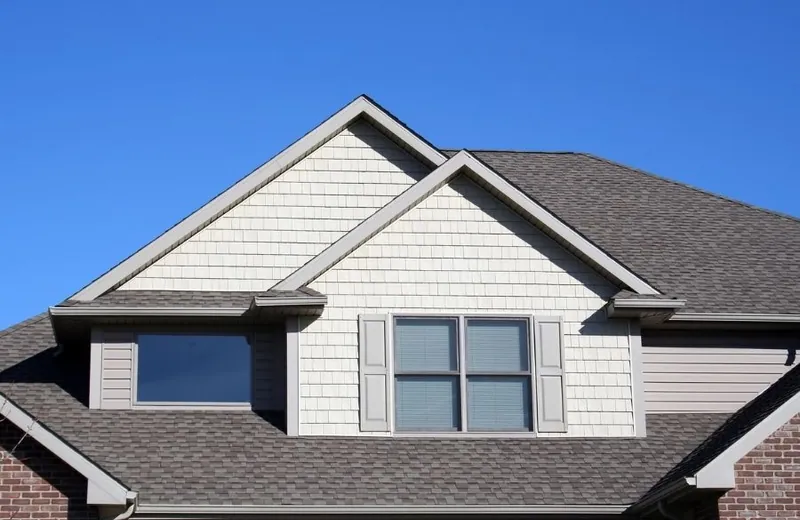
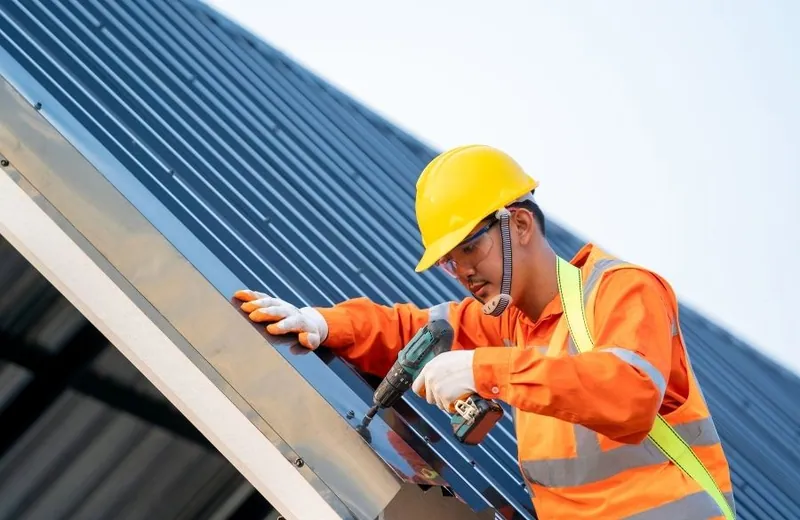
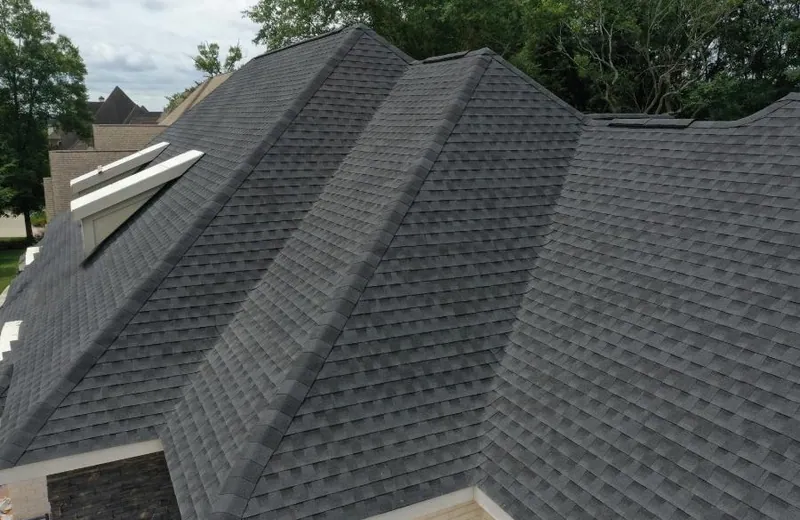
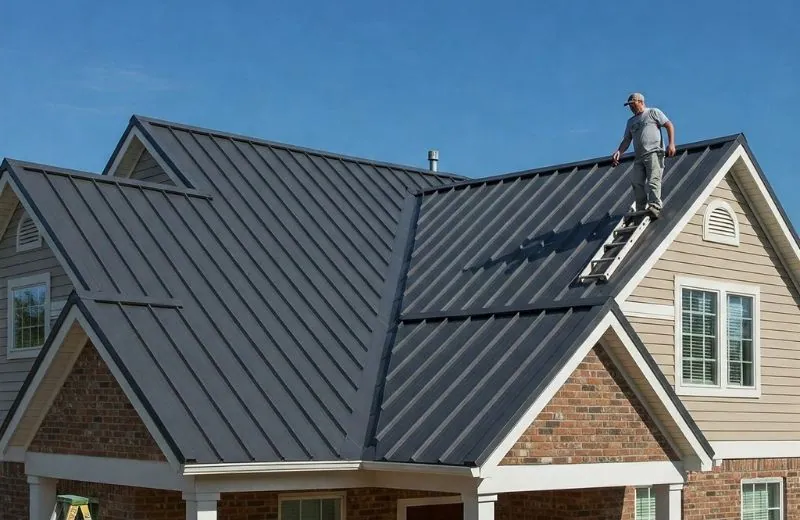
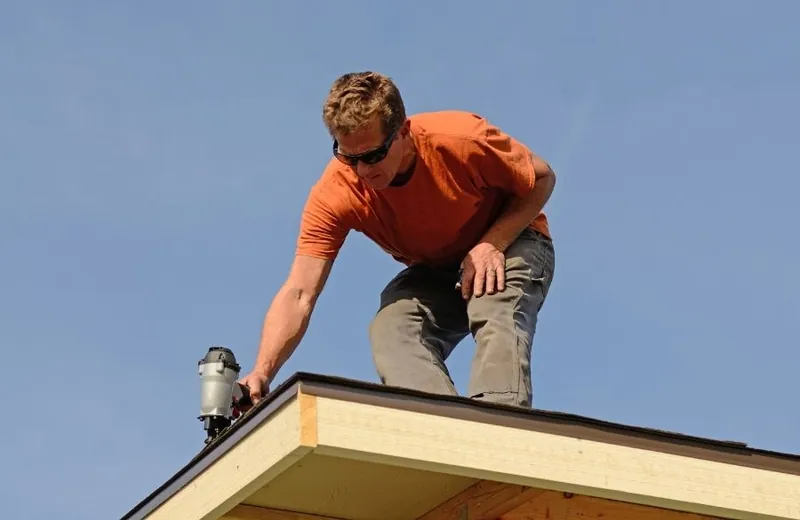
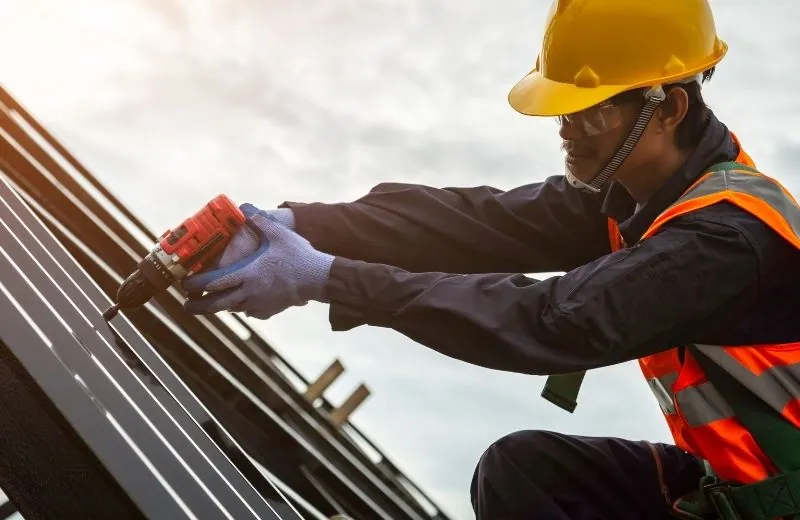
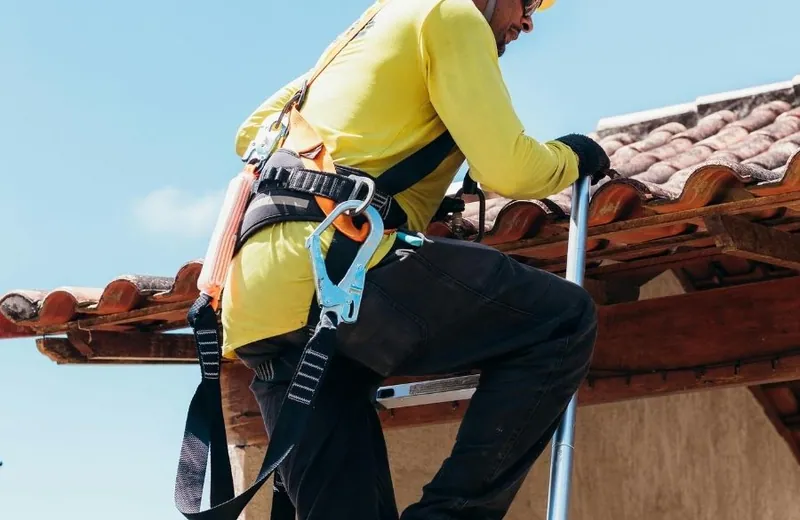
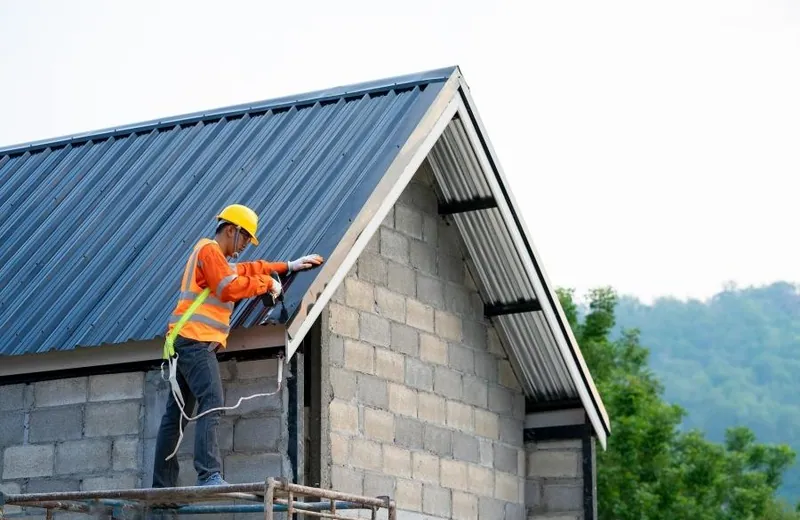
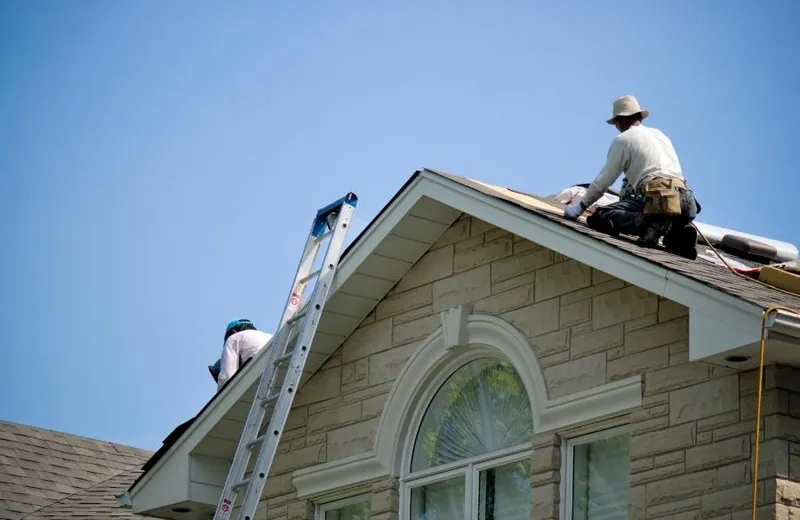
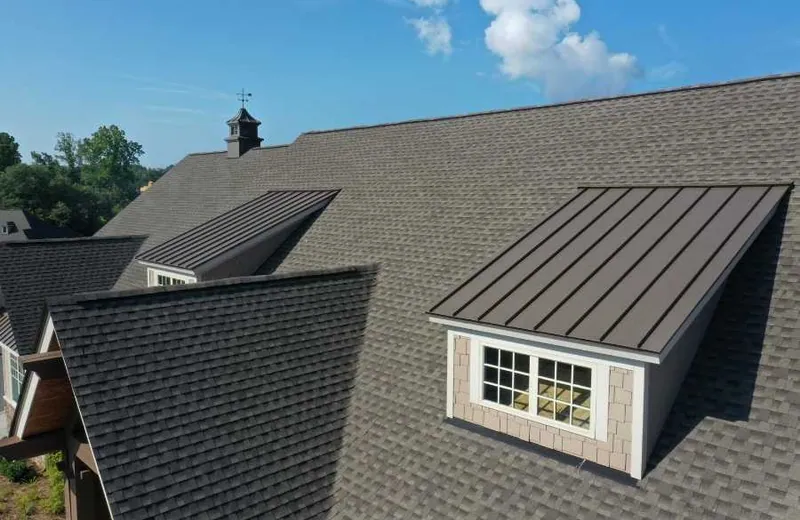
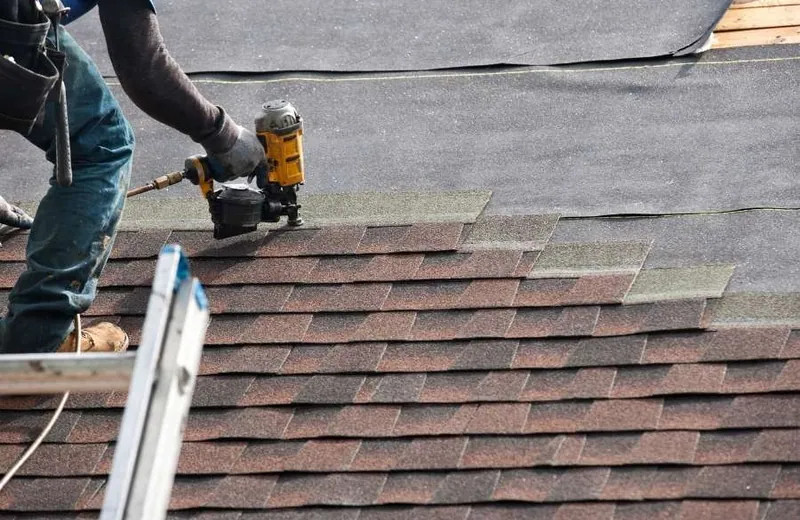
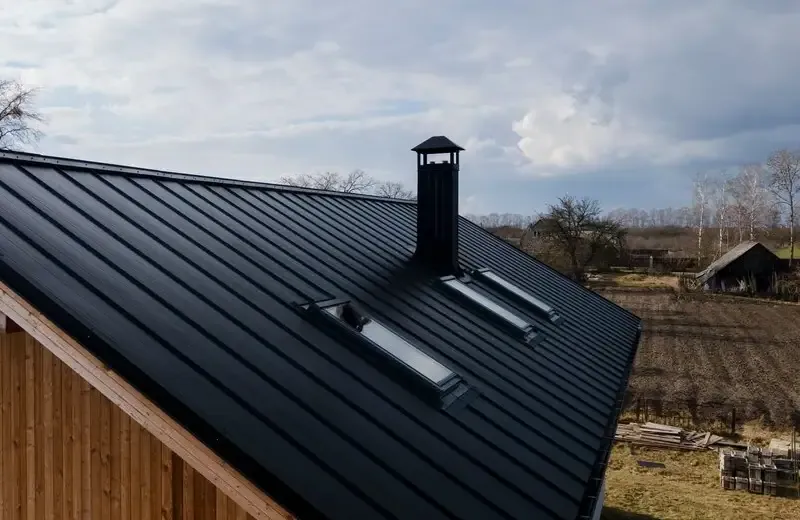
Roofing FAQs for Irving Homeowners and Property Owners
How much does a new roof cost in Irving, TX?
Most single-family roof replacements in Irving cost between about $9,500 and $34,000. A typical 1970s ranch with architectural shingles usually lands around $9,500–$16,000. Larger, steeper two-story homes in Valley Ranch, Coppell, or Flower Mound with Class 4 impact-resistant shingles often run $20,000–$34,000. Metal, tile, and slate cost more. The biggest variables are roof size, pitch, material, number of layers removed, and how much decking needs replacing. We give you an itemized written estimate after inspecting your roof, and financing is available if you need it.
How long does a roof replacement take?
The installation itself usually takes one to three days for most Irving homes. Tile, metal, slate, and commercial roofs take longer. The full timeline from inspection to completion is often two to six weeks, mostly because of insurance claims, City of Irving permits, and HOA architectural review in communities like Las Colinas and Valley Ranch. After big DFW hailstorms, material lead times can also stretch. We'll give you a realistic schedule up front and keep you updated if weather or supply delays come up.
Do I need a permit to replace my roof in Irving?
Yes. The City of Irving requires a building permit for residential reroofs and roof replacements, followed by an inspection. Nearby cities have their own requirements, and Highland Park and University Park run especially strict building departments with rules on work hours, parking, and debris. Most jurisdictions allow no more than two shingle layers, and many require a full tear-off. If you're in an HOA, you'll usually need architectural approval for shingle color and profile before work begins. We handle the permit process and help prepare HOA submissions for you.
How do I know if my roof has hail damage?
Often you can't tell from the ground, and that's the problem. Hail bruises the fiberglass mat under the shingle surface, and leaks may not appear for months. Warning signs include granules piling up in gutters, dented gutters or AC fins, dark spots where granules are missing, and neighbors filing claims after the same storm. If hail of about 1 inch or larger hit your Irving neighborhood, schedule a hands-on inspection soon. Documenting damage early protects you before your insurer's filing deadline passes.
When should I repair versus replace my roof?
Repair makes sense when damage is limited, like a few missing shingles, a failed pipe boot, or a flashing leak, and the roof is under roughly 12–15 years old. Replacement is usually the better choice when there's widespread hail damage, curling or balding shingles across several slopes, sagging decking, or more than one layer of shingles. In North Texas heat, asphalt roofs often wear out years before their rated life. Also keep in mind that many insurers now surcharge or drop homes with roofs older than 10–15 years.
Can a contractor pay or waive my insurance deductible?
No. Under Texas Insurance Code Chapter 707 (from HB 2102), it's illegal for a roofing contractor to waive, absorb, or rebate your insurance deductible, including through fake discounts or "advertising" credits. Contractors who offer this are breaking the law, and homeowners can face consequences too. If paying the deductible is a strain, especially with today's 1–2% percentage-based wind/hail deductibles, financing is a legal way to manage the cost. We'll always be upfront about this.
How can I prevent roof problems in North Texas weather?
Schedule an inspection every spring before storm season and again after any significant hail or wind event. Keep gutters clear so heavy rain doesn't back up under the drip edge. Trim branches hanging over the roof, which matters a lot in tree-lined areas like Twin Wells and University Hills. Make sure your attic has balanced soffit intake and ridge exhaust to reduce heat damage. When it's time to replace, consider Class 4 impact-resistant shingles or metal. Small fixes like replacing cracked pipe boots prevent most slow leaks.
What should I do if my roof is leaking during a storm?
First, stay safe. Don't climb on a wet or storm-damaged roof. Move valuables, put buckets under drips, and if a ceiling is bulging with water, carefully poke a small hole to drain it in a controlled way. Take photos of the interior damage. Then call us for emergency roof repair and tarping. We'll secure the roof with a heavy-duty tarp, document the damage for your insurer, and plan the permanent repair. Acting fast limits mold and water damage your policy may not cover.
Serving Irving, TX & Nearby
Get Your Irving Roof Inspected Before the Next Storm
Hail season doesn't wait, and hidden damage doesn't fix itself. Have a bonded, insured local team look at your roof and tell you honestly what it needs before a small problem becomes a big claim.
- ✓Hands-on rooftop and attic inspection with photo documentation
- ✓Honest repair-versus-replace recommendation with no pressure
- ✓Itemized written estimate with decking costs disclosed up front
- ✓Help with insurance documentation and adjuster meetings
- ✓Permit handling and HOA approval support
- ✓Financing available for repairs and replacements
- ✓Bonded and insured crews on every project
⚡ Roof leaking right now or torn open by a storm? Call us for emergency roof repair and tarping to stop the water and protect your property.
Bonded • Insured